Ice baths have gone from elite sport to the backyard. People post their morning plunge, swear it fixes their mood, and talk about feeling "reset". If you struggle with anxiety, that sounds appealing. It's worth knowing what the cold actually does to your body first, because it's not the same as relaxing.
The Short Answer
An ice bath is a big, deliberate stress on your body. Some people feel calmer and more alert afterwards. Meditation works the other way round: it lowers your stress response directly. For a lot of anxious people, meditation is the safer place to start, and cold exposure is an optional extra once you feel steady.
| Ice bath / cold plunge | Meditation | |
|---|---|---|
| What happens in your body | A sharp stress response: gasping, fast breathing, racing heart, then a rush of alertness | Breathing slows, muscles soften, the stress response settles |
| How it feels with anxiety | The first minute can feel a lot like panic | Can feel strange at first, but rarely intense |
| Evidence | Early and mixed. Small studies report feeling more alert and less stressed afterwards, mostly in healthy people | Good evidence for reducing anxiety symptoms over weeks of practice |
| Risks | Cold shock, heart strain, fainting, drowning if alone | Very low |
| Cost | Free (cold shower) to thousands (home plunge) | Free |
| Where | A tub, the ocean, a bathhouse | Anywhere |
What the Cold Does
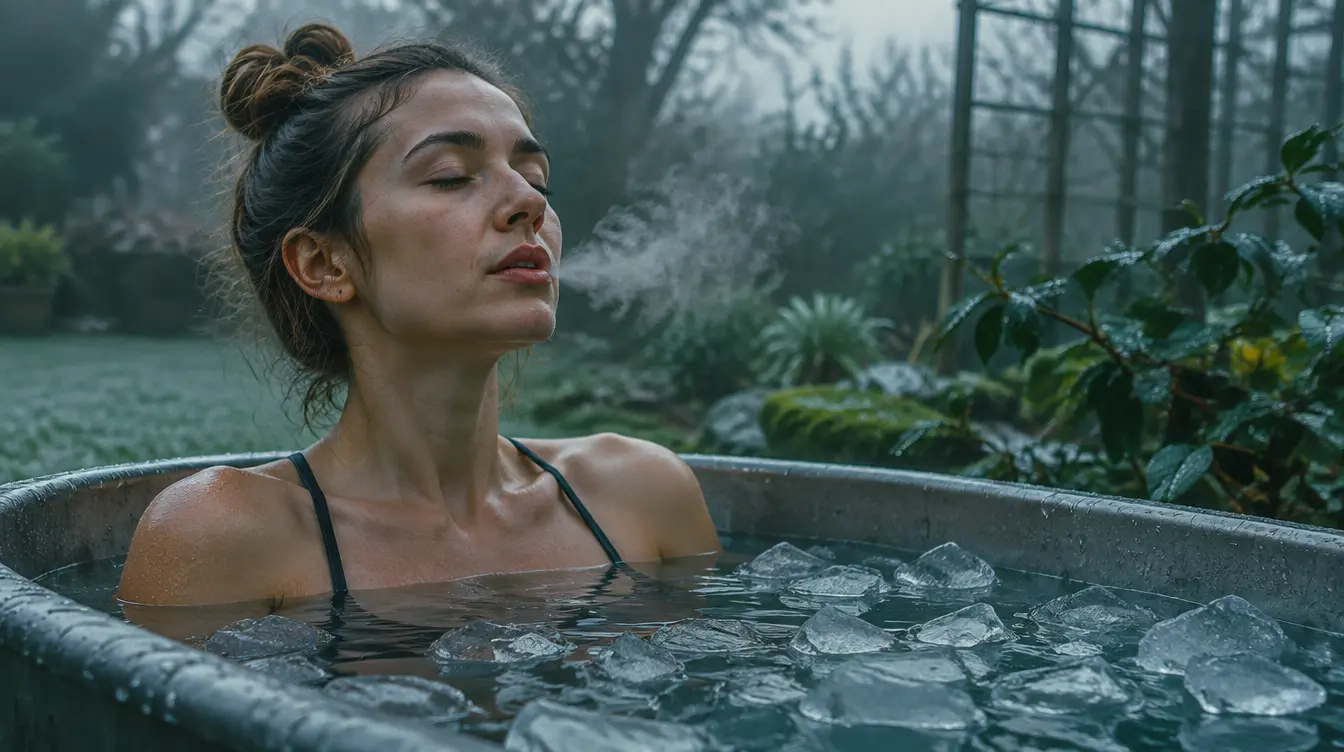
When you get into cold water, your body triggers the "cold shock" response. You gasp, your breathing speeds up, and your heart rate and blood pressure jump. That lasts for roughly the first minute. If you stay calm, it passes, and many people then feel a wave of energy and clear-headedness, partly from a lift in adrenaline-related chemicals.
That's the appeal: you face something uncomfortable, breathe through it, and come out feeling strong. Some people find it builds a kind of confidence that carries into the rest of the day.
But notice what that first minute looks like. Gasping, fast breathing, racing heart. For someone with panic attacks, those are exactly the sensations that can set one off. Some people with anxiety find the cold helps them learn those feelings are survivable. Others find it just scares them.
What Meditation Does
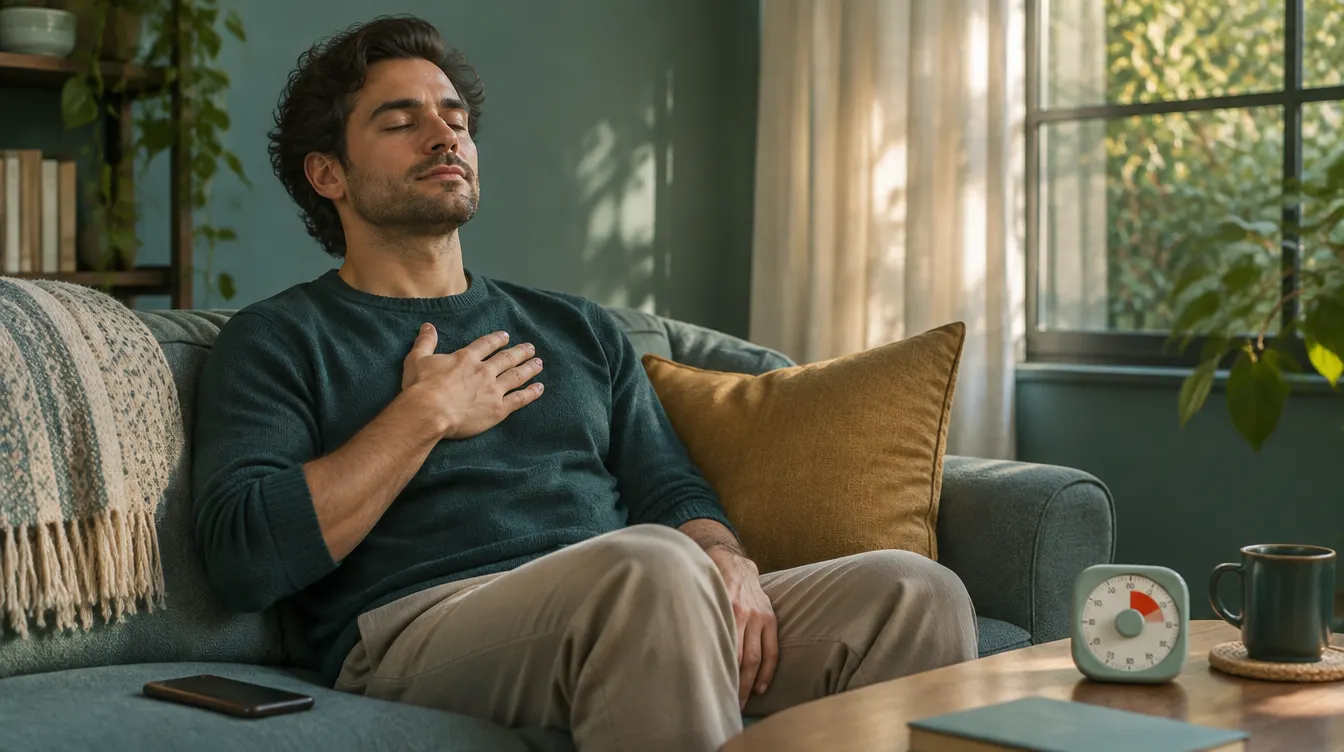
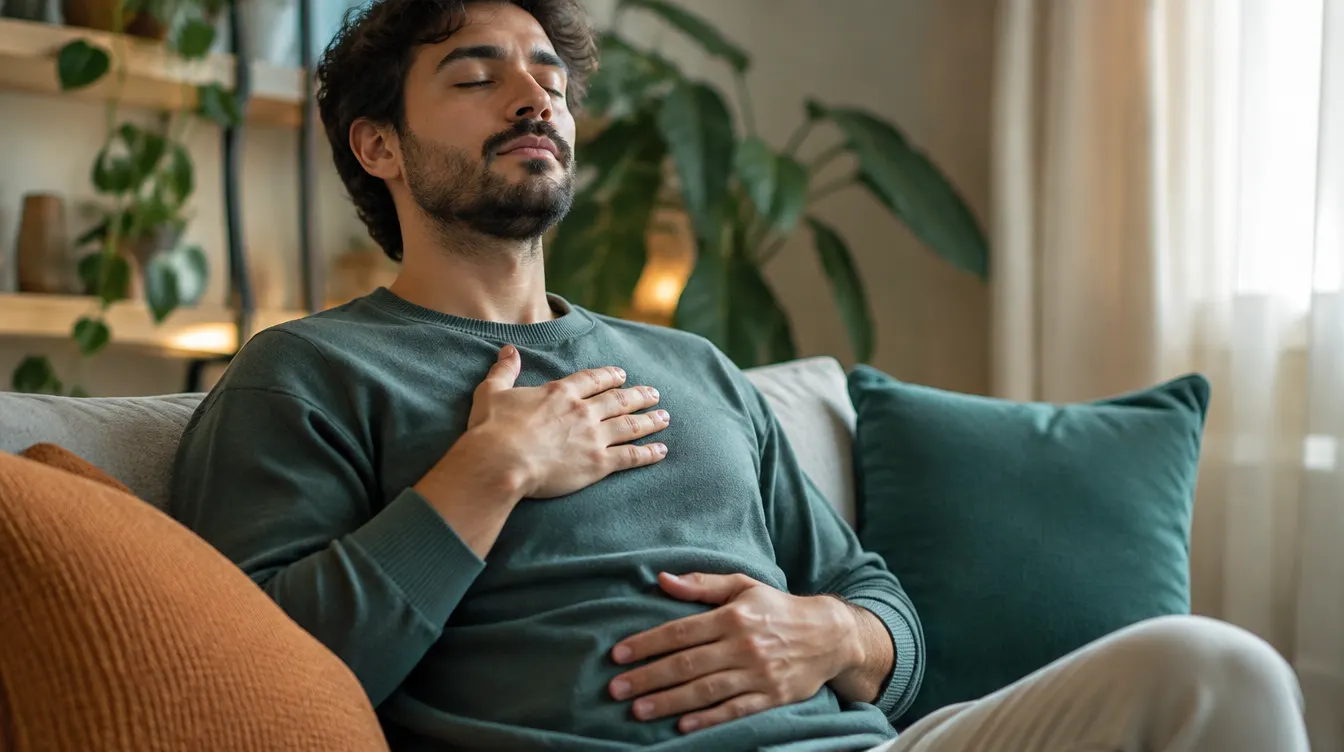
Meditation goes the other way. A slow breath, especially a longer out-breath, helps switch your body out of "alert" mode. Paying attention to your feet, your hands or the sounds around you pulls your mind out of worry and into the present. Over weeks, regular practice tends to lower how anxious people feel day to day.
It's less dramatic than an ice bath. Nobody posts a video of themselves sitting quietly for ten minutes. But it's something you can do in the car, at your desk, or in bed at 3am. Try the breathing exercises for anxiety or the 10-minute meditation for anxiety.
If You Want to Try Cold Water
Start gently. A cool finish to your normal shower for 15 to 30 seconds is plenty at first.
- Never plunge alone, and never in open water by yourself.
- Don't do forceful breathing exercises before or in the water. Hyperventilating can make you faint.
- Get in slowly and focus on making your out-breath long and steady. That turns it into a breathing practice.
- Keep it short. A minute or two is enough. Get out if you feel dizzy, numb or panicky.
- If you have a heart condition, high blood pressure or Raynaud's, are pregnant, or have a history of fainting, talk to your GP before trying cold immersion.
If cold water triggers panic, it's fine to stop. Calming down doesn't have to be extreme. Ongoing anxiety deserves proper support: talk to your GP, or call Beyond Blue on 1300 22 4636 or Lifeline on 13 11 14, any time.
Related Reading
- Yoga vs Pilates for stress and anxiety
- Massage vs massage gun vs meditation
- Sauna vs ice bath: benefits, risks and real stillness (spiritualcoachingguide.com)
- Magnesium vs meditation for sleep (guidedsleepmeditation.com)
New to meditation? Meditation for Beginners has free, step-by-step guides.
Frequently Asked Questions
Are ice baths good for anxiety?
Some people feel calmer and more resilient afterwards, but the research is early. Because the cold triggers panic-like sensations, it isn't for everyone with anxiety.
What are the main cold plunge benefits?
People most often report feeling more alert, energised and in a better mood afterwards. Claims beyond that are mostly ahead of the evidence.
Can I combine an ice bath with meditation?
Yes. Many people treat the plunge as a breathing practice, keeping the out-breath slow and steady. Just meditate out of the water as well, where it's easier to learn.