Yoga and Pilates often get lumped together. Both happen on a mat (or a machine), both are low impact, and both leave you feeling better. But they come from different places and do slightly different things, especially when it comes to stress.
The Short Answer
If calming your mind is the main goal, yoga usually has the edge, because breath and stillness are built into it. If you want a stronger body and a focused hour where your brain can't wander off, Pilates is brilliant. Both help with anxiety. The best one is the one you'll actually keep going to.
| Yoga | Pilates (mat or reformer) | Gym / fitness classes | |
|---|---|---|---|
| Roots | Ancient Indian practice of movement, breath and meditation | Developed by Joseph Pilates in the early 20th century | Modern strength and cardio training |
| Main focus | Flexibility, breath, balance, awareness | Core strength, control, posture | Strength, fitness, energy |
| Breath and stillness | Central, often with relaxation at the end | Breath used to support movement | Usually not a focus |
| For anxiety | Good evidence for reducing anxiety and stress | Smaller studies suggest better mood and less anxiety | Strong evidence that regular exercise reduces anxiety |
| Cost (rough) | $20 to $30 a class, or free online | $25 to $45 per reformer class; mat is cheaper | Membership or class packs |
Yoga: Movement With the Mind Built In
Yoga combines poses, breathing and, in many styles, meditation. A typical class ends lying still in relaxation, which for an anxious person might be the most valuable ten minutes of the week. Studies have found yoga can reduce symptoms of anxiety and stress, probably because it trains you to slow your breath and notice your body while you're moving.
Styles vary a lot. Gentle hatha, yin and restorative yoga are calm and slow. Vinyasa and power yoga are more like a workout. If anxiety is your main reason, start with something gentle.
Pilates: Strength and Focus
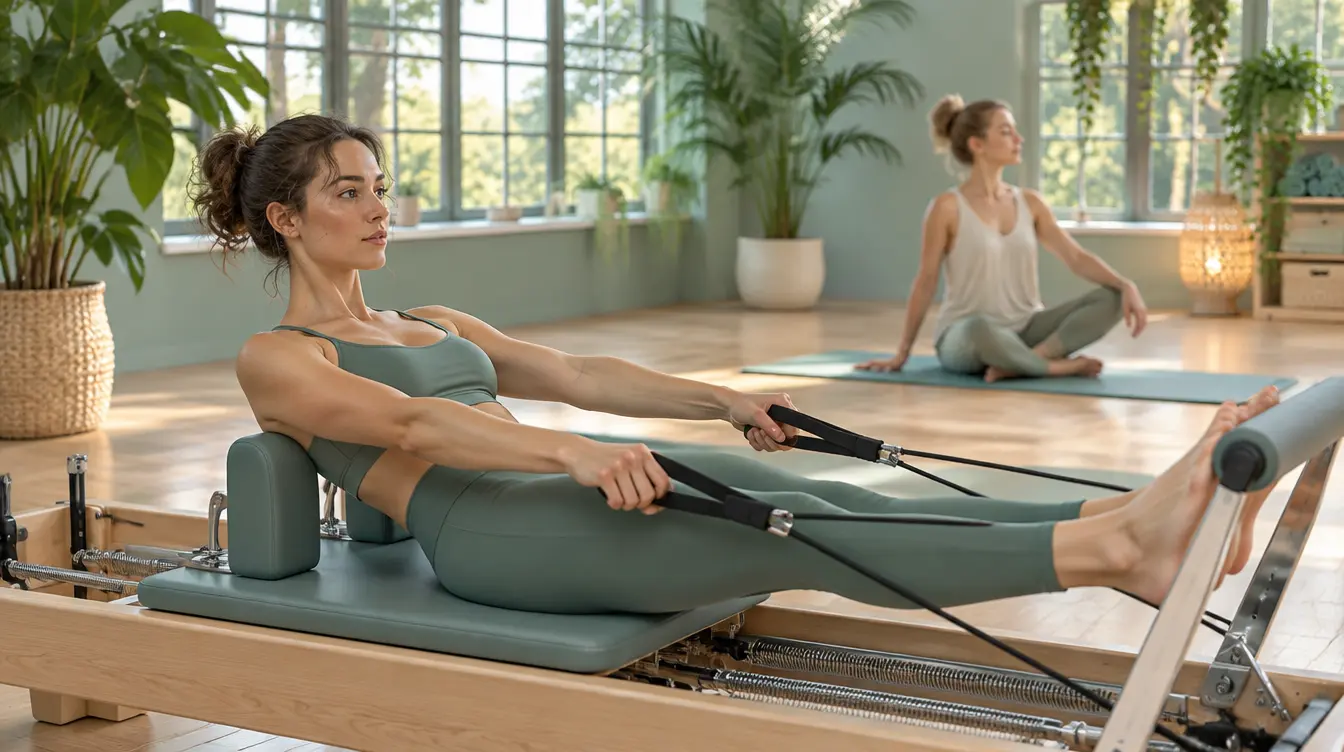
Pilates is all about control: slow, precise movements that build core strength and better posture. Reformer Pilates uses a sliding machine with springs, which adds resistance and makes it feel more like a workout. Many people love it because it demands so much concentration that there's simply no room left for worrying. That's a mindful state in its own right.
Research on Pilates and mental health is smaller than for yoga, but studies suggest it can improve mood and reduce anxiety and fatigue. And because it builds strength, it ticks a box that yoga sometimes doesn't.
What About the Gym?
Regular exercise of almost any kind is one of the best-supported ways to reduce anxiety. Australia's guidelines suggest adults aim for 150 to 300 minutes of moderate activity a week, plus muscle-strengthening on at least two days. Walking, swimming, a gym class or a reformer session all count. If you love lifting weights, keep lifting.
Where Meditation Fits
Movement burns off stress. Meditation teaches you to sit with your mind when you can't move, like at 3am, in a meeting or in traffic. The two go together beautifully: a class two or three times a week, and a few minutes of stillness every day. Try the 5-minute meditation for anxiety, the morning meditation, or mindfulness meditation for anxiety.
How to Choose
- Your mind races and you want to slow down: start with gentle yoga.
- You find stillness hard and want something to focus on: try Pilates.
- You want energy, strength and a good sweat: the gym or a fitness class.
- Money's tight: free yoga videos at home, walking, and a daily meditation.
Whatever you pick, tell the instructor about any injuries, and if you have a health condition or haven't exercised in a while, check with your GP first.
Related Reading
- Ice bath vs meditation for anxiety
- Massage vs massage gun vs meditation
- Sleep trackers compared: watch, ring or app? (guidedsleepmeditation.com)
- Wellness trends compared, and where meditation fits (spiritualcoachingguide.com)
New to meditation? Meditation for Beginners has free guides to help you build a daily habit.
Exercise and meditation can ease everyday anxiety, but they aren't a substitute for care when you need it. Talk to your GP, or call Beyond Blue on 1300 22 4636 or Lifeline on 13 11 14.
Frequently Asked Questions
Is yoga or Pilates better for anxiety?
Yoga has more research behind it for anxiety and includes breathing and relaxation. Pilates also helps, especially if you prefer a focused, strength-based class.
What are the benefits of reformer Pilates?
Core strength, better posture, muscle tone and a very focused, absorbing class. Many people also find it lifts their mood.
Can I do both yoga and Pilates?
Absolutely. They complement each other well: Pilates for strength and control, yoga for flexibility, breath and calm.